


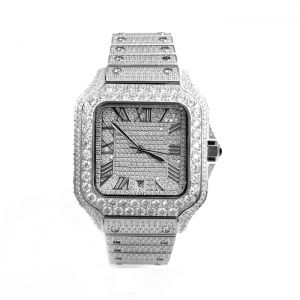
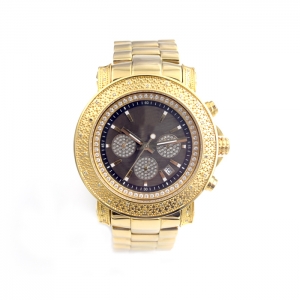
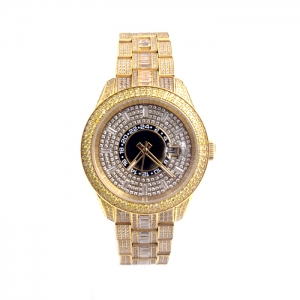
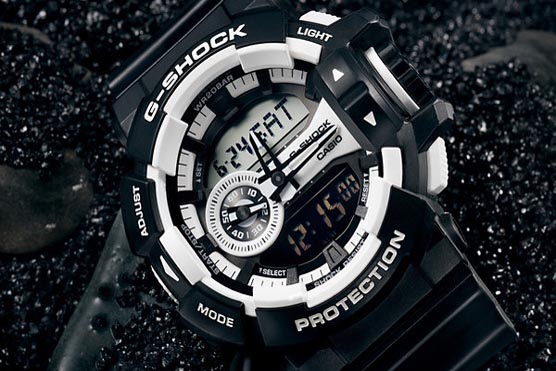
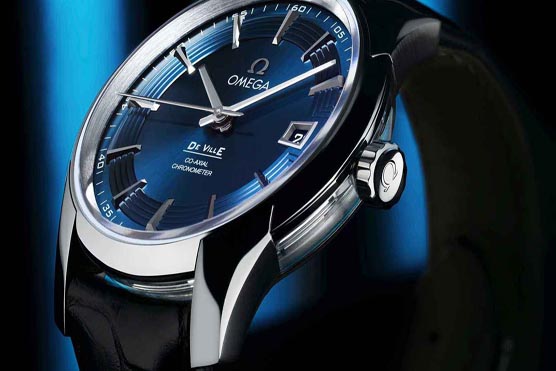
mens watch...
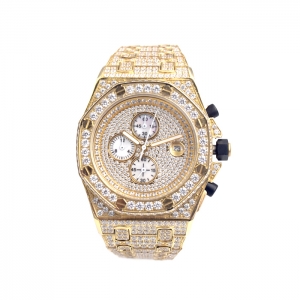
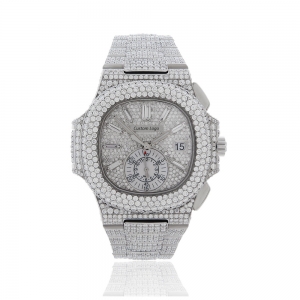
Full cz stone
Our Investment Management Services help you pursue your financial needs as they grow and change.
This service offers a variety of benefits to boost your sales and suit your company’s fixed income.

200-300 pcs full cz stone each month
So much experience on watch industrial .
Got 4 person on Design, with Adobe illustrator, Photoshop, 3D Max, etc.
Most of them got working experience in famouse brand, like Bulova, Casio, Tissot, etc.
24 hours drawing back.
No limit to drawing modify.

More than 15 years

Sales, Designer, Production Manager, Worker, Cooperate well

So many clients show us with 5A reveiw.

Focus on Hip Hop Watch Item, CZ Watch Item
Got so many different designs
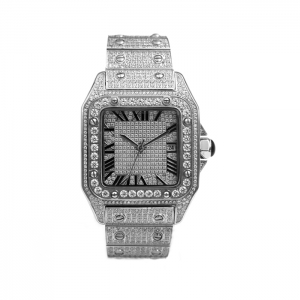
Cartier Type
AP Type
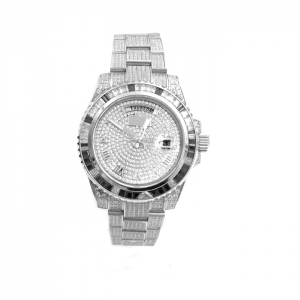
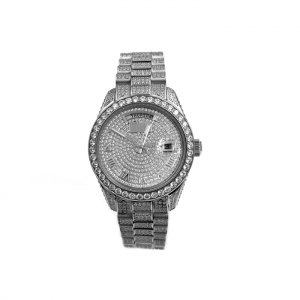
Rolex Type
Bulgari Type
Breitling Type

Long-term Clients

Watch Fair

Years of Experience

Experts
Highly Professional Team
Working with Investment Smart has been a great experience. An exceptional group of people who are well versed in all legal, accounting, and compliance aspects of fund administration for onshore or offshore funds. I highly recommend them.--banner列表 Emily Wilson
Real Experts in Investment Management
These guys are efficient! From the first moment that I dealt with Investment Smart I knew that they were real pros. They are asking the right questions, and when getting the answers they are on ball non-stop, providing an excellent service! Dennis Lewis
The Best Investment Management Company
It has been a pleasure to work with Investment Smart and their team of investment experts. They offered me a quick and easy solution to my business investment strategy that will surely help me in handling my future spendings. I’m glad to cooperate with this qualified team. Jack McGee
LiveChatclose




 Send Email
 Jeff
Jeff Jeff
Jeff